
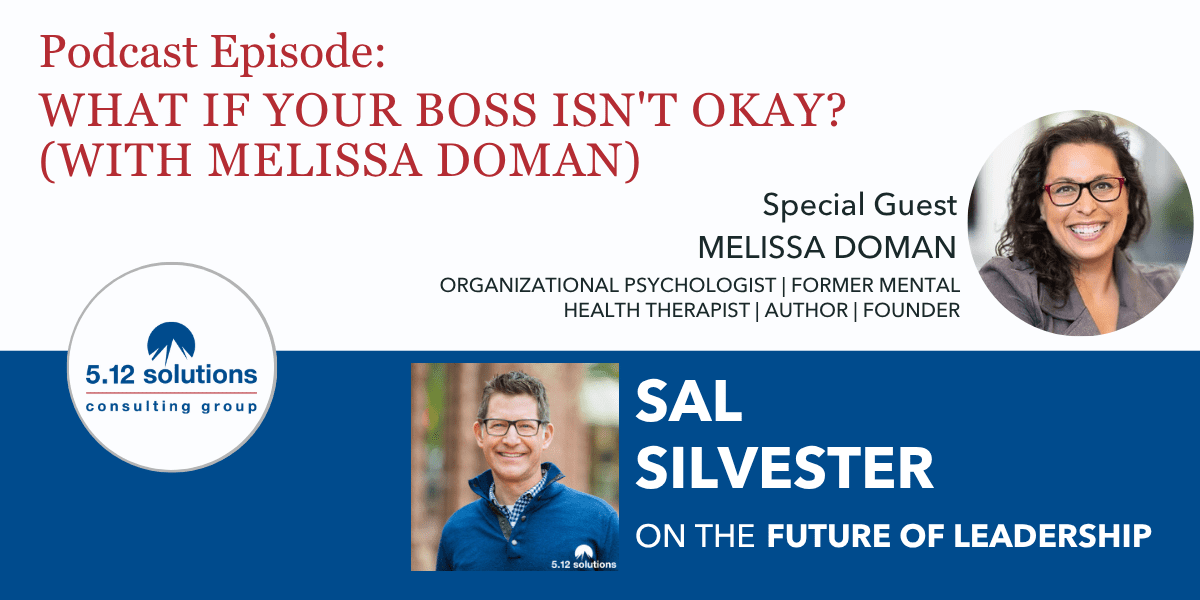
Where Better Conversations Drive Better Performance
Mental health, capacity, and conflict are not separate challenges. They are signals of how your system is operating under pressure.
If you are ready to turn those signals into stronger conversations and better outcomes, the next step is building the right tools into your leadership approach.
📌Access the Productive Conflict Toolkit
FAQ For Leaders
Q: Why should leaders talk about mental health at work?
A: Because mental health is already influencing performance, decision-making, and team dynamics. Ignoring it does not remove it, it only reduces visibility and delays intervention.
Q: Does discussing mental health reduce productivity?
A: When handled responsibly, it improves clarity, reduces burnout risk, and strengthens engagement. The goal is not to lower standards, but to align expectations with real capacity.
Q: Do leaders need clinical training to address mental health?
A: No. Leaders are not expected to act as therapists. The responsibility is to create clarity, psychological safety, and systems that support honest communication about capacity.
Q: What is the biggest barrier to mental health in leadership?
A: Stigma tied to performance perception. Many employees fear that honesty about capacity will negatively affect how they are evaluated.
Q: What is one practical step leaders can take immediately?
A: Normalize capacity conversations during planning. Asking “Do you have bandwidth for this?” creates space for transparency before overload occurs.